Earlier this month, I stopped by my new favorite place in the world: The ShareHouse in Ann Arbor. It’s a thrift shop that looks tiny on the outside, but inside it’s a sprawling warehouse. Narrow walkways wind their way through piles of tantalizing trash. Refuse that any self-respecting Goodwill or Salvation Army would turn away in a heartbeat stretches to the ceiling and, in some cases, dangles from it. Visibly broken VCRs sit atop cable-less stereo systems which are perched upon unsteady stacks of gutless issues of National Geographic–their innards long harvested for collage art. And the whole place smells lightly of mildew. It’s perfect.
Sitting in the display case at the front was a little camera; an Olympus Pen-EE. I asked to see it and tried to test it, but the shutter didn’t fire and the film advance wouldn’t wind. A quick Google search showed that it was a point-and-shoot half-frame camera, which I’ve never tried before. I decided I’d take a stab at getting it working. It wasn’t the smartest thing to do, but it was only $30. Besides, it was my birthday.
I got it home, tapped stuff, jiggled and jammed, but it didn’t yield. With the back removed, I could see that the shutter leaves had some red gunk around the sides and figured they had seized and that was the cause of the problem. Thankfully we live in a time where the internet is mature to the point that almost anything one wants to attempt has a guide out there by some generous spirit that has already done it and taken ample pictures (credit where credit is due). I got the smallest screwdriver I could find and started stripping.
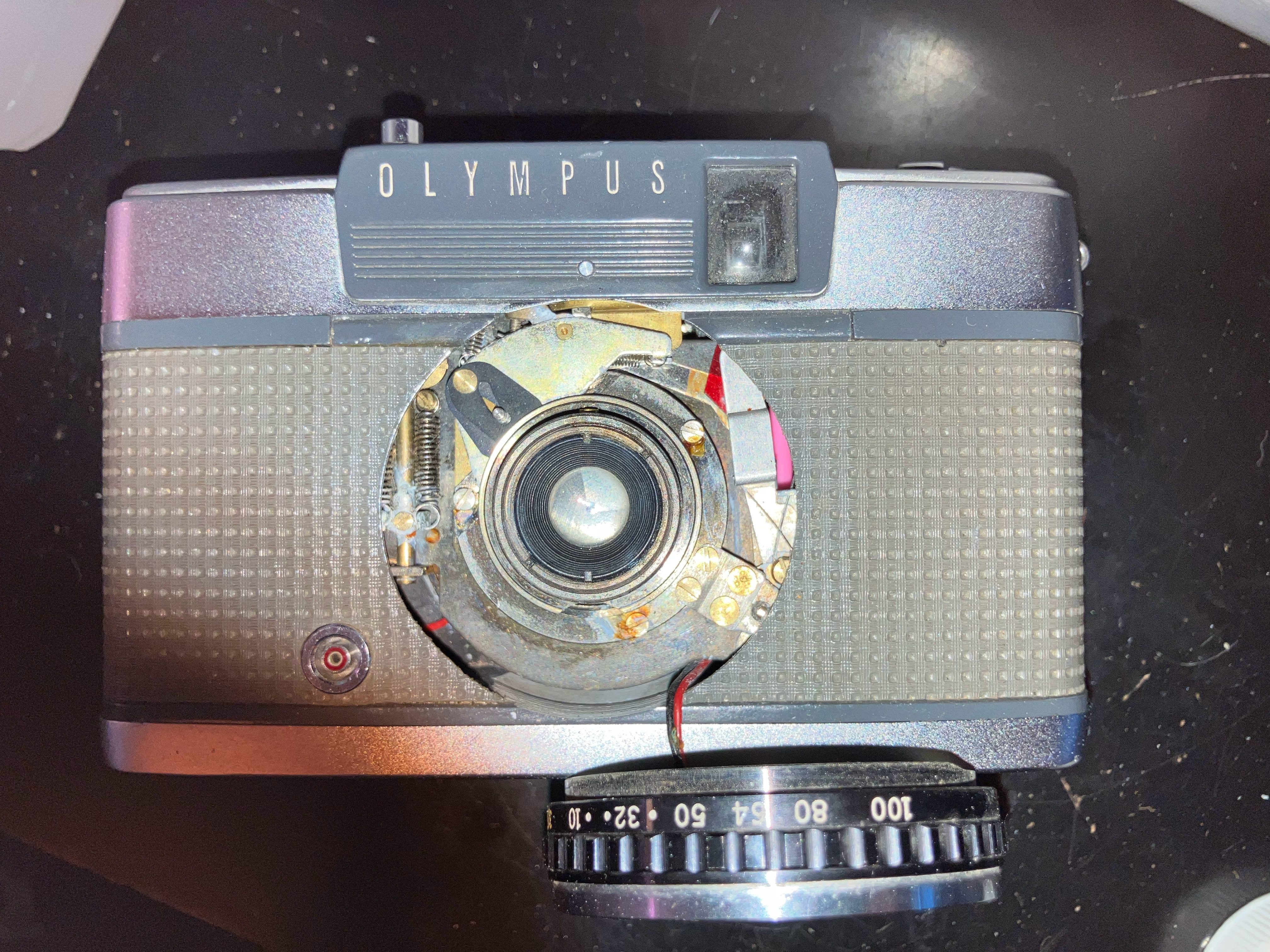
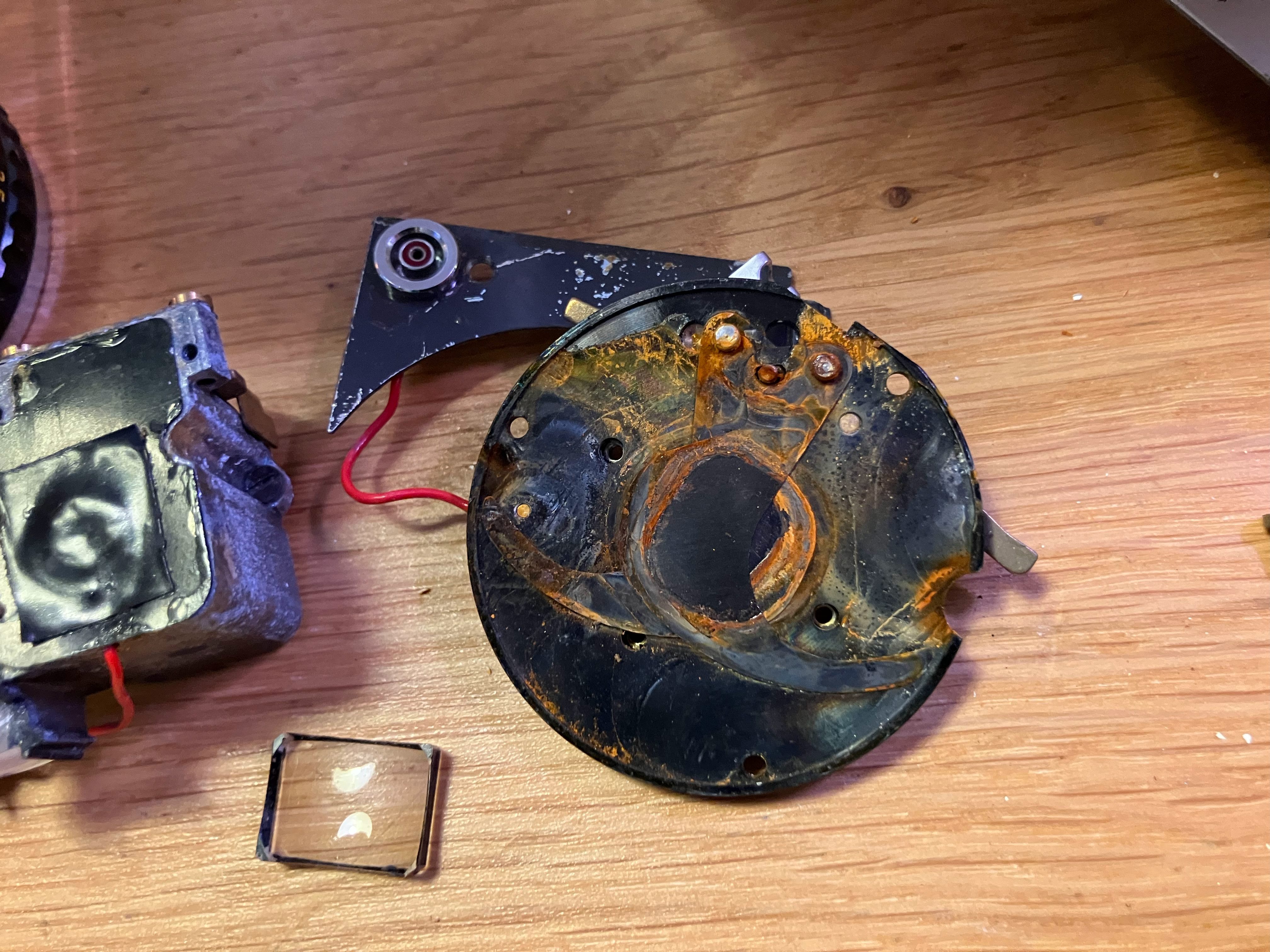
Eventually, I got everything to do with the aperture and shutters out. I cleaned the lenses, soaked the shutter and aperture blades in lighter fluid, and gave everything a thorough scrub with a toothbrush. When I got everything to the point where it was moving freely again, I put it all back together without too much pain. There was a tiny hair spring that holds the pawl in place to engage the film advance. That thing was a bit of a bitch, but I got it sorted. There was also one screw leftover that had simply fallen out of the camera when it was apart. No idea what that’s from 🤷♂️.
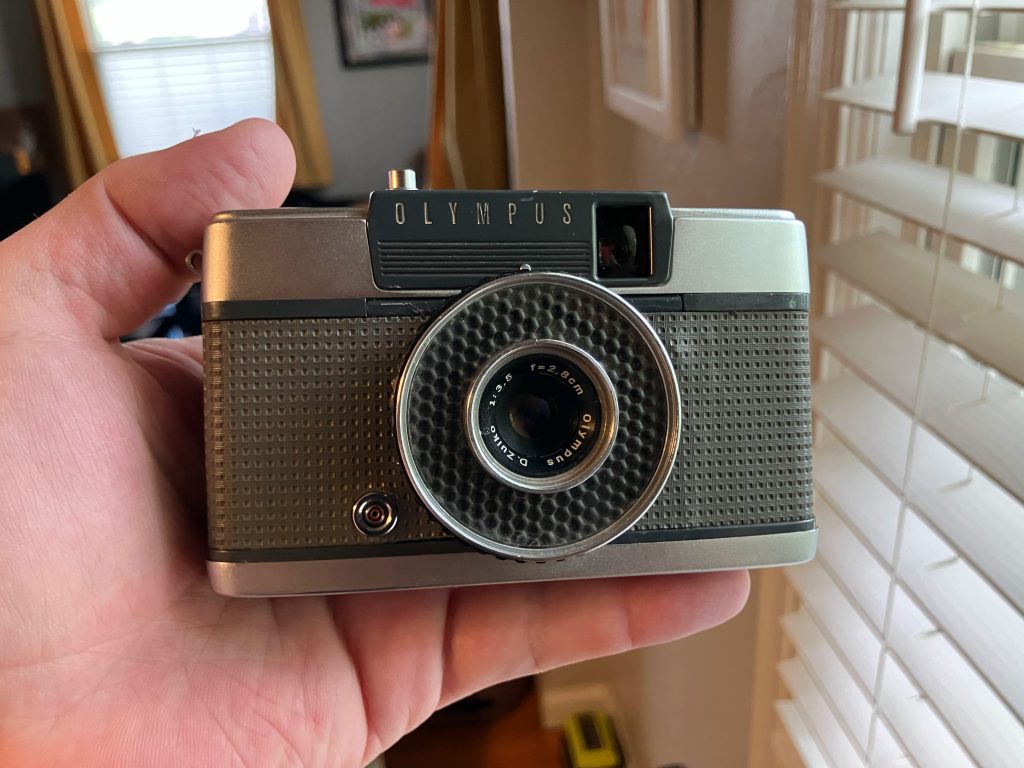
With everything back together, the film advance and shutter were working properly again. I was also surprised to find that it seemed that the ancient light meter (this thing is from the 60’s) still worked. These cameras use a light-powered meter, kind of like the old calculators that fade when you put your finger over the light strip, so no batteries. I decided to shoot a test roll and, making another poor decision, I used a roll of expired film as my first test.
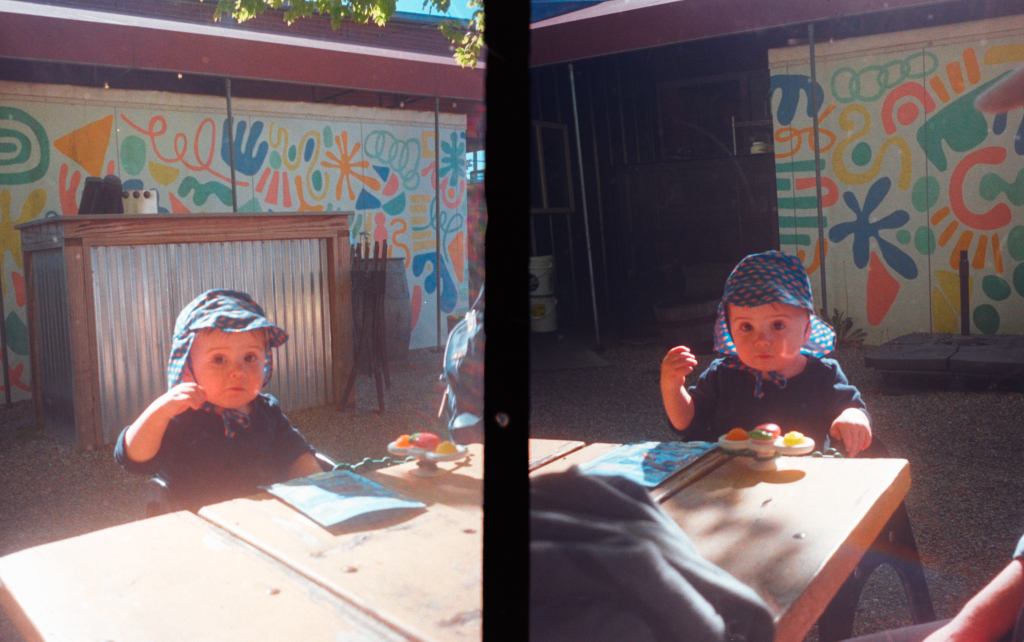
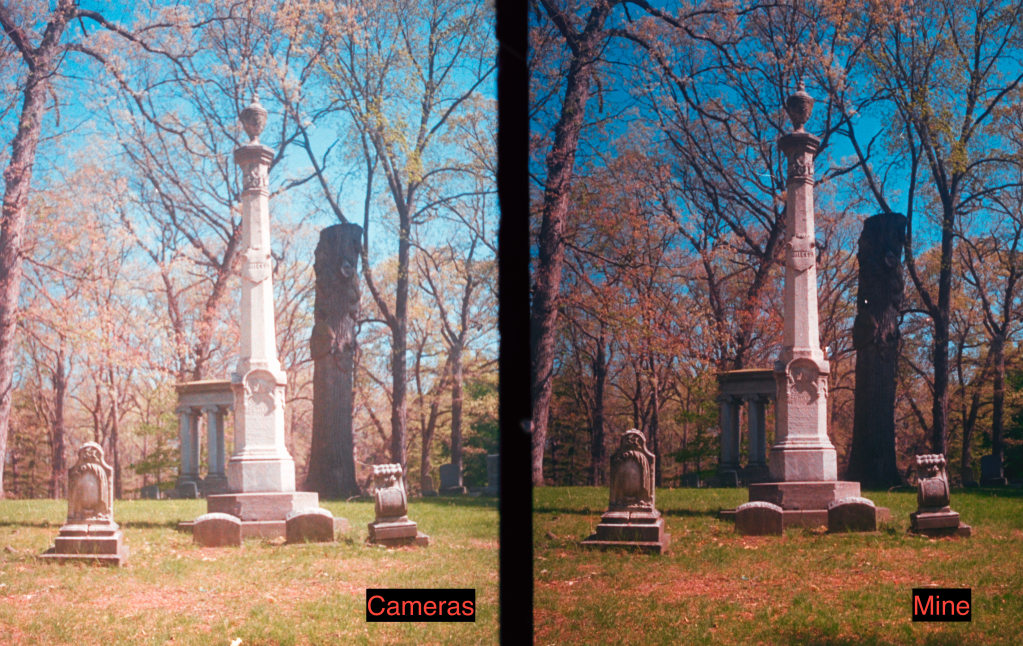
Here’s a few pictures from that first roll. I decided to do side-by-side comparisons of what the built-in meter thought would be a good exposure and then what I manually set the aperture to. In “manual” mode on this camera, the only thing that can be controlled is the aperture. The camera defaults to a set shutter speed of 1/60th sec. In this set, the pictures on the left are my settings and the ones on the right are the camera’s.
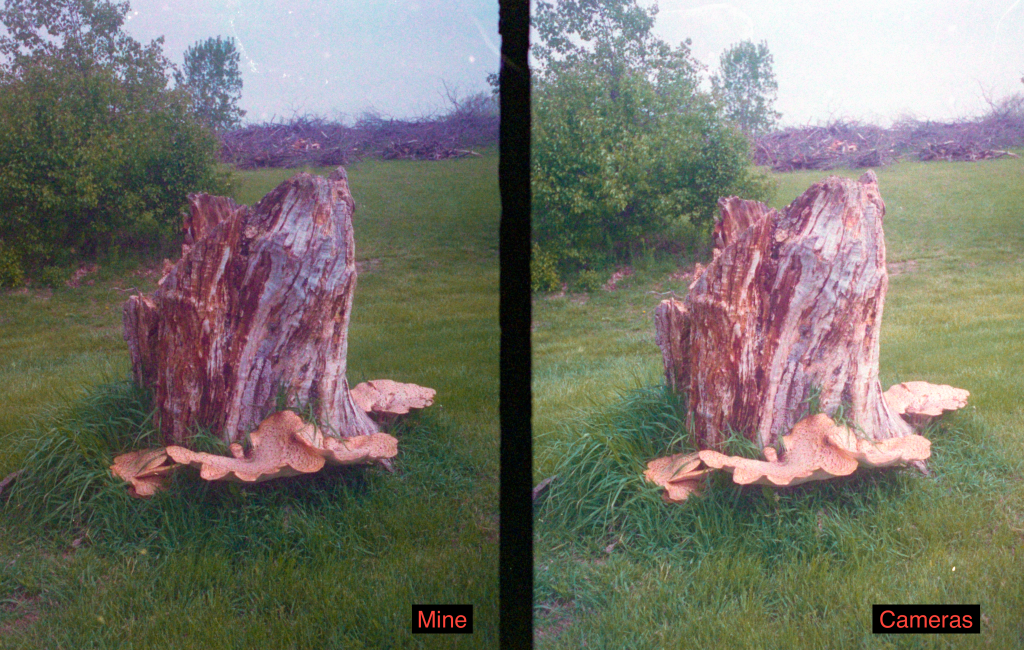
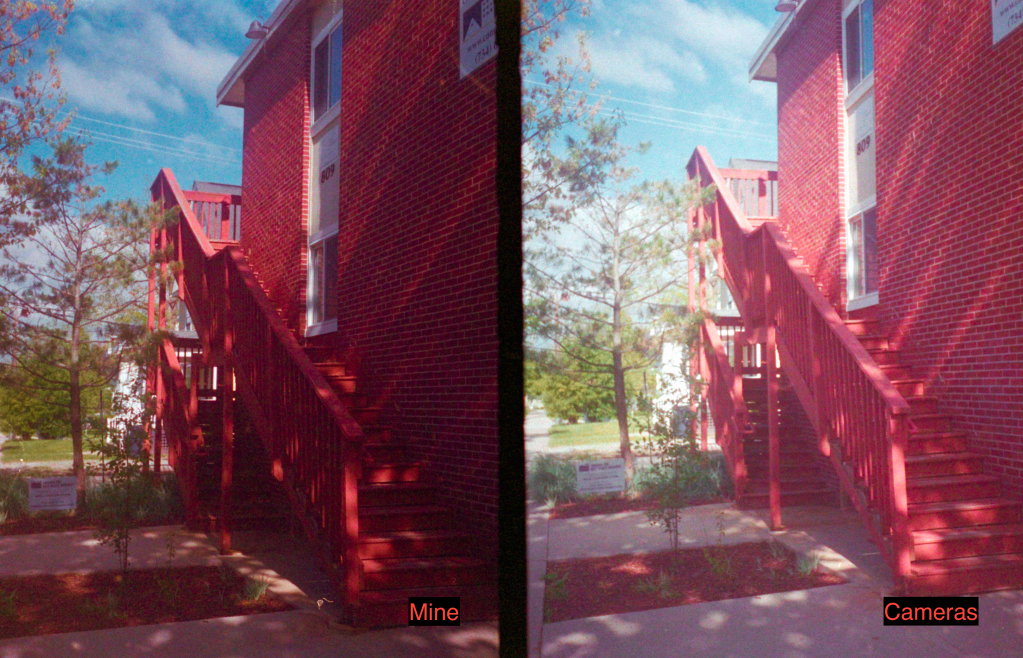
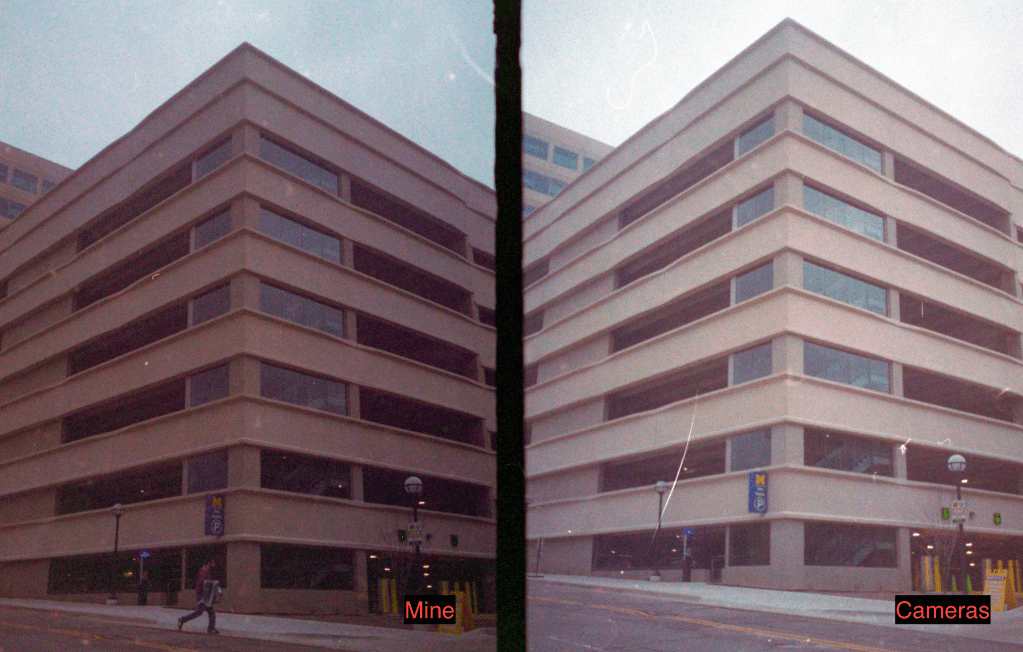
Who had the better exposure? I feel like the camera tended to over expose and I tended to under expose. Still, not bad for a camera that’s 60 years old and film that’s probably been expired for almost half that.
Of course, I then did the smart thing and tested it again with a roll of fresh film. At first, I decided to just take a bunch of pictures where I let the camera choose the aperture entirely and not worry about trying to do it manually. Here’s a few of those:
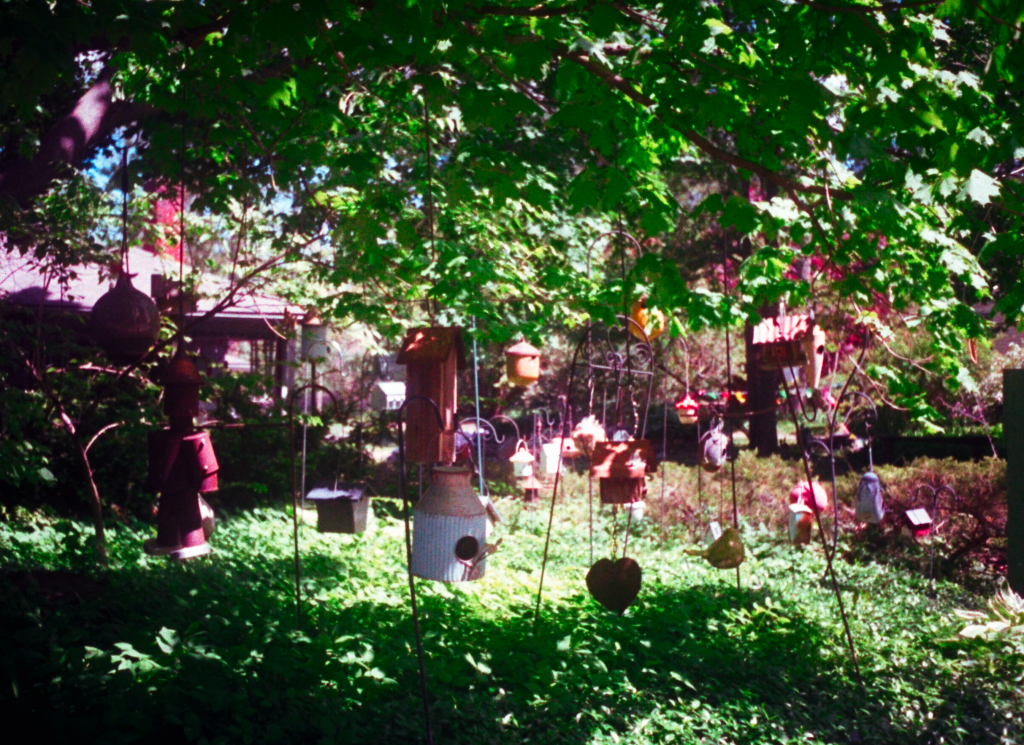
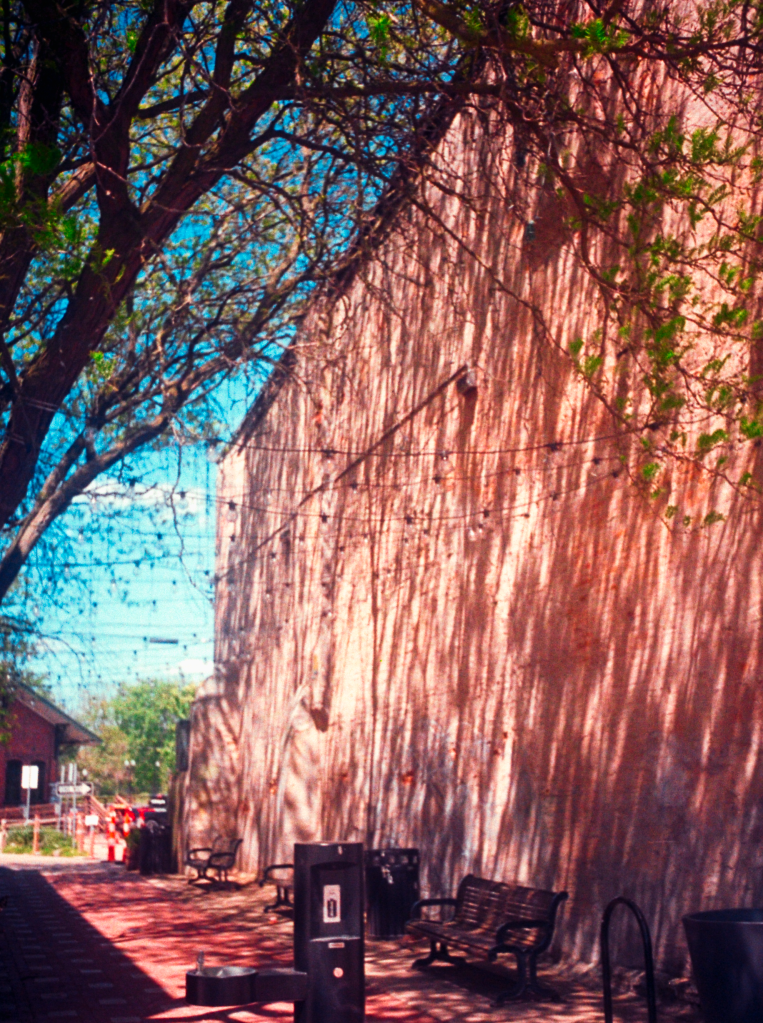
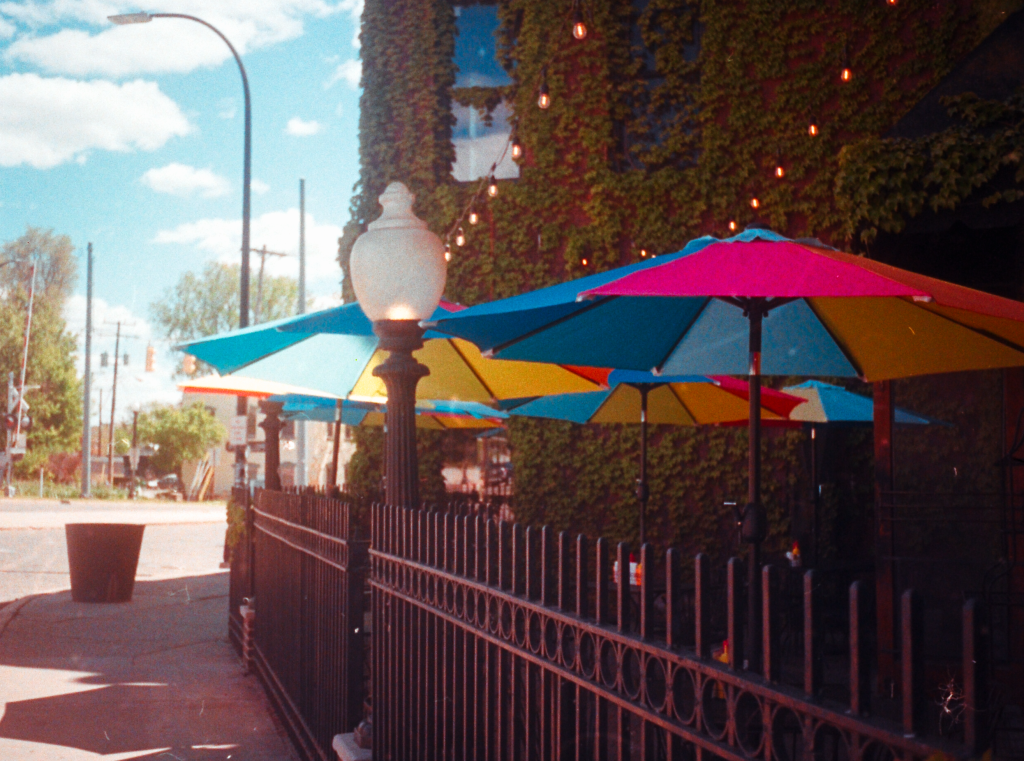
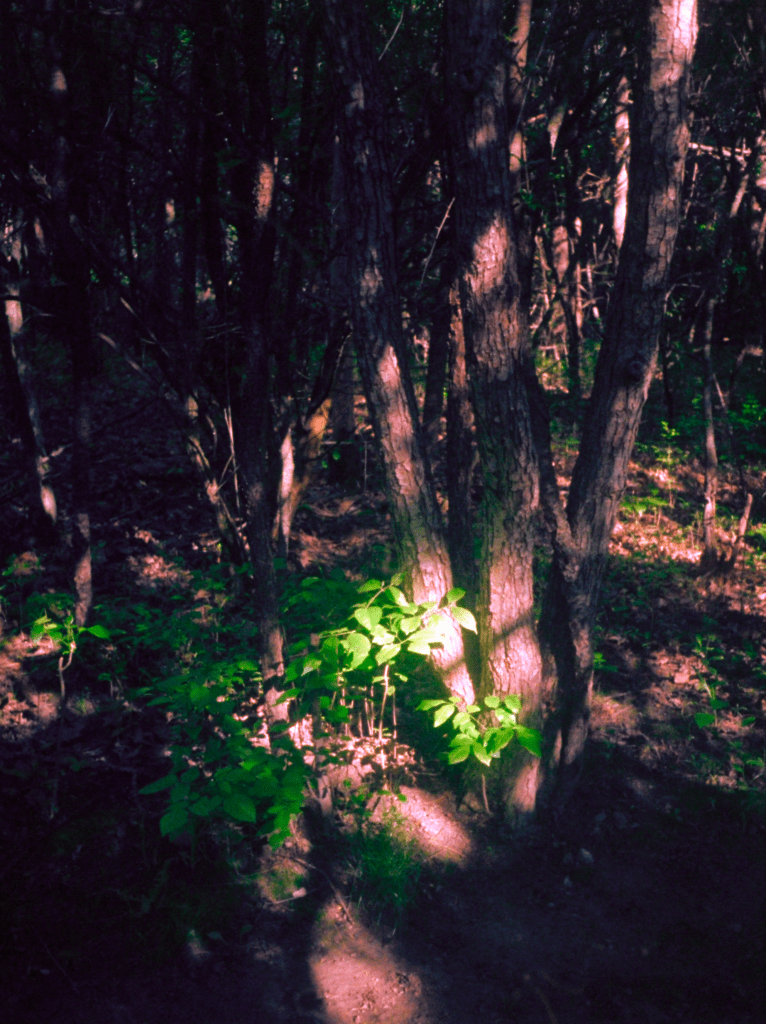
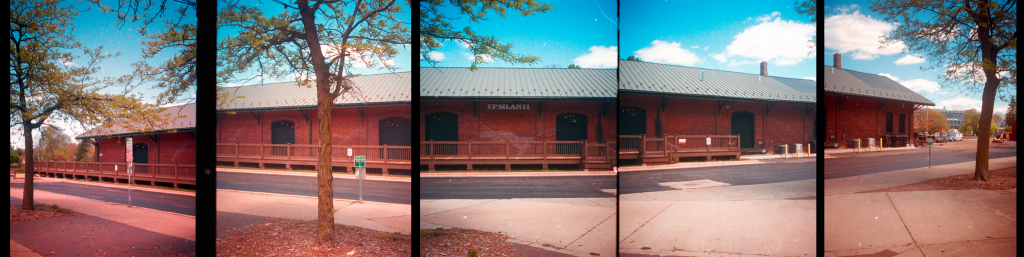
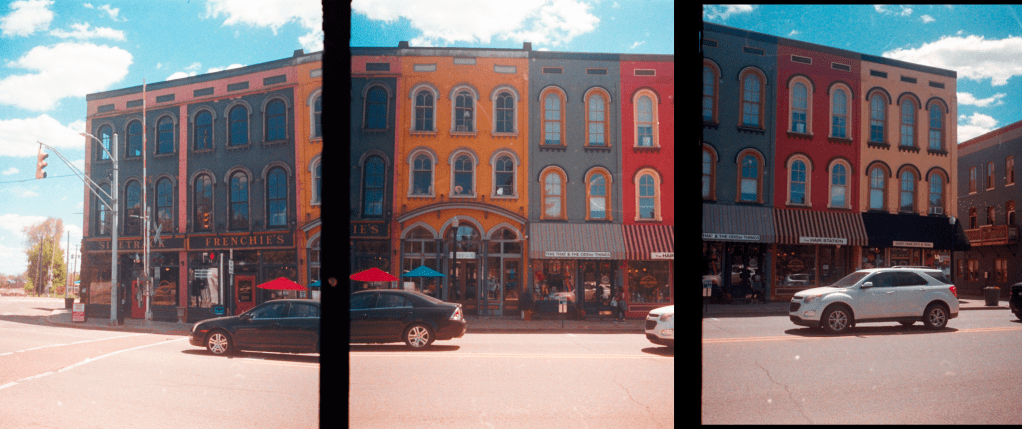
Then I had a play at trying to do some “in-camera” panoramas. They came out pretty cool, but I want to get better at lining up the shots.
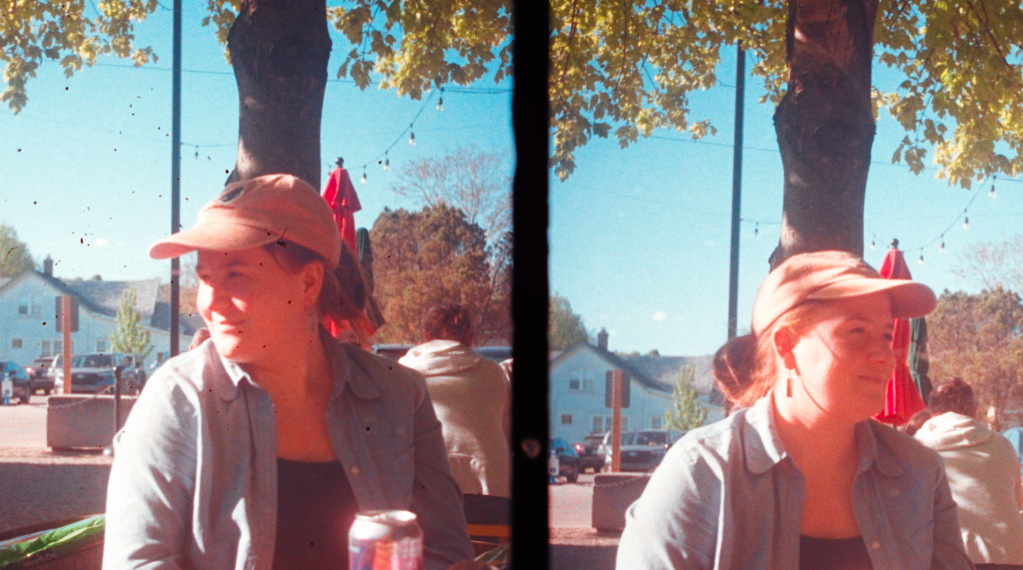
Then I did a few more manual vs automatic tests for the exposure selection. For whatever reason on this set, I swapped the order, so camera’s choice first, mine second.
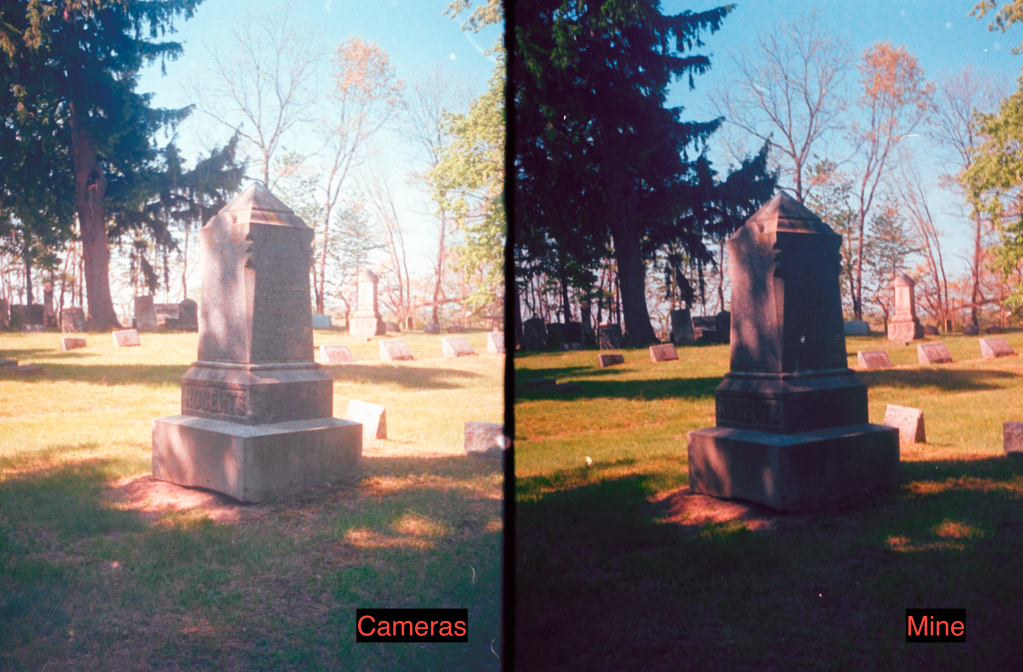
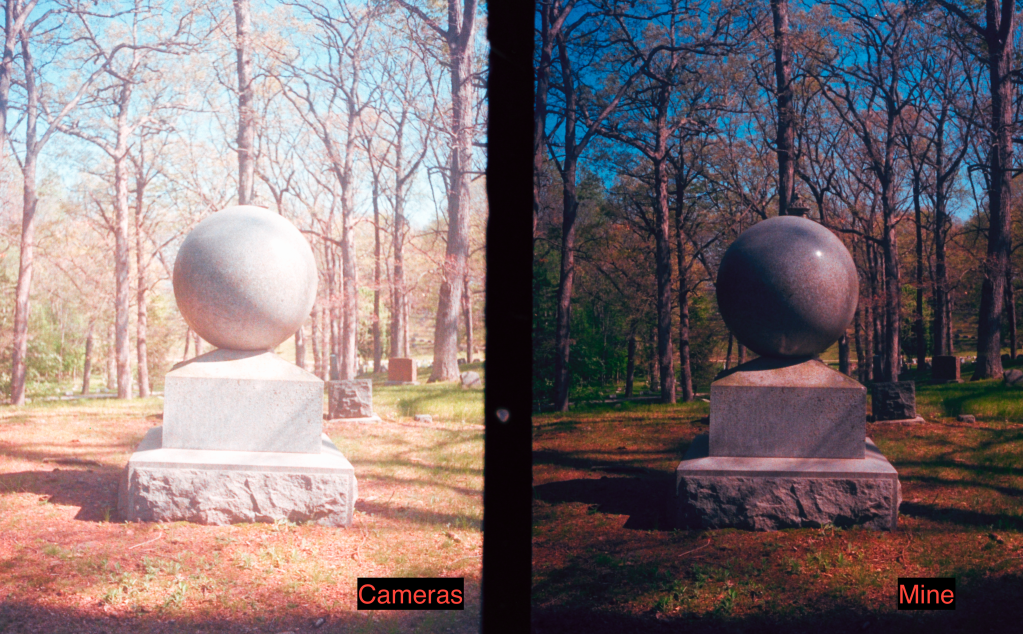
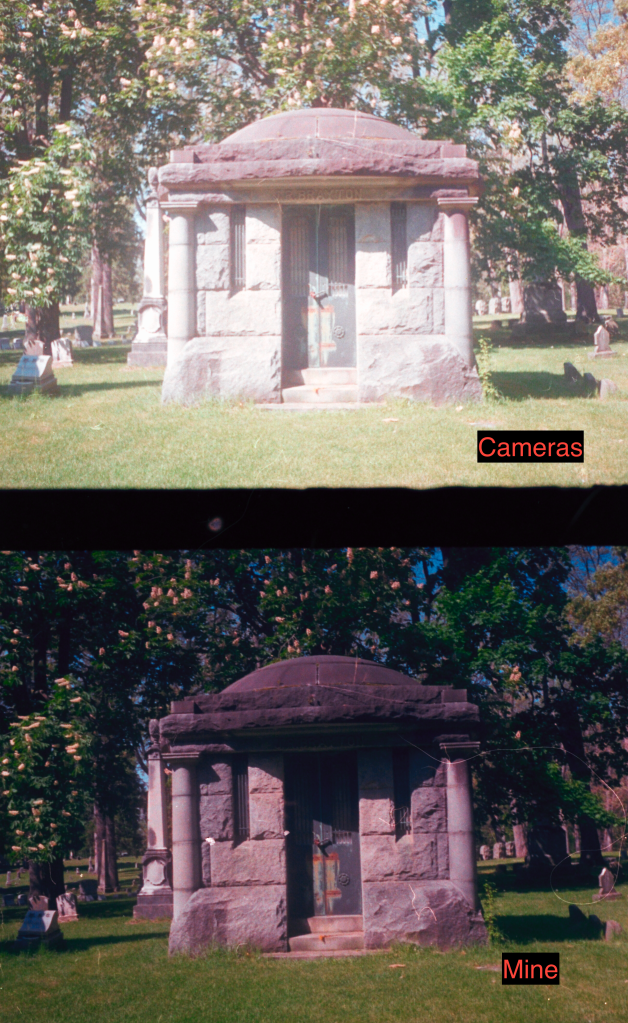
I was pretty sure that the camera’s choices were going to be horribly overexposed, but it didn’t do too bad, really, considering that the cell that powers the meter is probably not receiving nearly as much light as it did back in the 60’s. I think I was under a bit and the camera was a good deal over, but I could probably just expose a tad more manually and be good.
As you can see, the combination of old camera and half-frame size results in not the clearest images in the world, but it’s a cute little camera and it was fun to pull the thing apart and get it working again. It’s not going to replace my SLR, but I might load a roll of film in it and stick it in my backpack for when I’m commuting or just running around. The fact that you get 72 shots out of a standard 36 frame roll of 35mm means it’ll last a long time and maybe I’ll be happily surprised when I finally develop it and see what I shot all the way back when I loaded it up.